Source Corrosion Resistant Glass Valve for Lab and Industrial Use
Find 30 corrosion resistant glass valve options from Chinese manufacturers. Compare specifications including pneumatic actuation, stainless steel bodies, and various connection forms for water, gas, and industrial applications to ensure reliable flow control and temperature regulation in diverse settings; compare the available evidence and request quotations based on your requirements.
Key considerations
Products List




Comprehensive Sourcing Guide
Corrosion Resistant Glass Valve Sourcing Guide
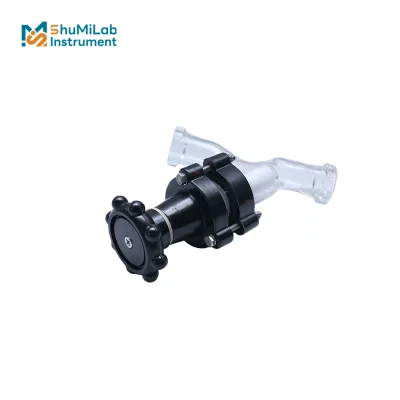
Procurement professionals seeking corrosion-resistant glass valves must first distinguish between standard industrial gate valves and specialized glass components designed for aggressive chemical environments. The available market data indicates a specific product category utilizing 3.3 High Borosilicate Glass, a material renowned for its thermal shock resistance and chemical inertness. Buyers should verify that the listed "corrosion-resistant" attribute specifically refers to this glass composition rather than generic stainless steel or brass alternatives, which offer different performance profiles for water or gas applications.
When evaluating listings, it is critical to cross-reference the stated material with the intended media, as the observed data includes valves for water, gas, and general flow control. A glass valve intended for high-temperature or highly corrosive media requires a distinct verification process compared to standard ordinary temperature applications. Sourcing teams must ensure the supplier explicitly confirms the glass composition matches the specific chemical compatibility requirements of the process fluid to prevent premature failure or safety hazards in the plant.
Product Scope and Observed Listing Signals
The observed product landscape reveals a diverse range of valve types, from pneumatic actuators and wedge gate valves to specific models like the Flowserve Survivor and Z41W-16P. While many listings describe stainless steel or brass bodies with flange or thread connections, the core keyword necessitates a focused search for the 3.3 High Borosilicate Glass variant. Buyers should be wary of generic descriptions that mention "corrosion-resistant" without specifying the glass material, as this term is often applied broadly to metal alloys that may not meet the stringent chemical resistance needs of certain industrial processes.
Listing signals such as "Solid Wooden Case" or "Box" packing suggest varying levels of protection for fragile glass components during transit. The data shows a wide price range and MOQ flexibility, with some suppliers offering single-item sales while others require bulk orders. Procurement teams must scrutinize the "Product Name" and "Model Number" fields to identify the specific glass actuator or valve, ensuring the driving mode, such as pneumatic, aligns with the automation requirements of the facility.
Technical Specifications to Verify
Technical verification begins with confirming the working temperature range, as the observed data lists a broad span of -20 to 160 degrees Celsius for certain metal valves, which may not apply to glass components. Buyers must explicitly request the thermal limits of the 3.3 High Borosilicate Glass to ensure it withstands the specific process temperatures without cracking or deforming. The pressure rating is equally critical, as glass valves typically operate under ordinary pressure conditions, and exceeding these limits can lead to catastrophic failure in high-pressure systems.
Connection forms and thread positions also require precise validation, with observed listings showing flange, thread, and inside gate valve configurations. The seal surface, described as a wedge gate valve in some contexts, must be compatible with the glass body to maintain a leak-free seal under operational stress. Sourcing teams should verify the exact model number, such as YMGV-50, to ensure the mechanical operator and driving mode match the system's control logic and physical installation constraints.
Compliance and Safety Documentation
Safety documentation for glass valves must include detailed machinery test reports and material certification to verify the integrity of the 3.3 High Borosilicate Glass. While some listings indicate a provided machinery test report, buyers should demand specific data on thermal shock testing and chemical resistance validation for the exact glass composition. The warranty period, often listed as one year, should be reviewed alongside the supplier's ability to provide replacement parts or technical support in the event of glass breakage due to improper handling or installation.
Regulatory compliance extends beyond general certifications like CE, which is noted as a low-confidence background item, to specific industry standards for glass pressure vessels. Buyers must ensure the supplier can demonstrate adherence to relevant safety standards for glass components in industrial settings, particularly regarding pressure ratings and temperature limits. The absence of specific certification claims in the provided data means procurement teams must actively request proof of compliance rather than assuming standard metal valve certifications apply to glass variants.
Cost Drivers and Commercial Terms
Cost drivers for corrosion-resistant glass valves are heavily influenced by the specialized nature of 3.3 High Borosilicate Glass and the precision required in manufacturing and packaging. The observed data shows a wide price range, suggesting that factors such as the driving mode, connection form, and custom packaging significantly impact the final unit cost. Buyers should anticipate higher costs for custom ODM/OEM support and specialized packing solutions like solid wooden cases, which are essential for protecting fragile glass components during international shipping.
Commercial terms must clearly define the Minimum Order Quantity (MOQ), which varies from single items to bulk orders of 3 pieces or more. The observed MOQ range of 1 to 10,000 units indicates flexibility, but buyers should negotiate based on their specific volume needs to optimize unit pricing. Additionally, the customization support offered by suppliers, including color and model modifications, should be factored into the total cost of ownership, as these services often incur additional lead times and fees.
Supplier Qualification and Quality Control
Supplier qualification for glass valves requires a rigorous assessment of their manufacturing capabilities and quality control processes, particularly regarding the handling of fragile materials. The observed data lists origins in Wenzhou, Fujian, and Anhui, China, indicating a concentration of suppliers in specific industrial hubs. Buyers should verify the supplier's experience with 3.3 High Borosilicate Glass specifically, rather than relying on general metal valve production capabilities, to ensure they possess the necessary expertise to prevent defects during the manufacturing and assembly phases.
Quality control measures must include visual inspection protocols for glass integrity and pressure testing procedures to validate the seal surface and connection forms. The presence of a machinery test report in some listings is a positive indicator, but buyers should request detailed inspection records for each batch of glass valves. Establishing a clear communication channel for reporting defects and ensuring the supplier can provide timely replacements is essential for maintaining operational continuity in critical process applications.
Long-Term Procurement Checks
Long-term procurement success depends on establishing a reliable supply chain for replacement parts and technical support for corrosion-resistant glass valves. Buyers should verify the supplier's ability to provide consistent model numbers, such as the YMGV-50 or Z41W-16P, over extended periods to ensure compatibility with existing infrastructure. The availability of customized services, including ODM and OEM support, should be confirmed to allow for future modifications or upgrades without disrupting the supply chain.
Regular performance reviews are necessary to monitor the durability and reliability of the glass valves in actual operating conditions. Procurement teams should track failure rates, maintenance costs, and any issues related to the working temperature or pressure limits to identify potential improvements in the product selection. Building a strong relationship with the supplier ensures access to updated technical data and allows for proactive adjustments to the procurement strategy based on real-world performance feedback.
FAQs
What material is used for corrosion resistant glass valves?
The valves are constructed from 3.3 High Borosilicate Glass, which provides excellent corrosion resistance for handling various media. This material ensures durability and chemical stability in demanding industrial environments. The design supports applications requiring reliable flow control without degradation from corrosive substances over time.
Can these valves be customized for specific industrial needs?
Yes, customization is available with ODM and OEM support to meet specific requirements. Buyers can request custom colors and tailored specifications to fit unique operational needs. This flexibility allows for precise integration into existing systems while maintaining the core performance benefits of the glass construction.
What is the minimum order quantity for these valves?
The minimum order quantity is typically 3 pieces, allowing for flexible procurement for small to medium projects. This low MOQ facilitates testing and initial deployment without significant inventory commitment. Buyers can order small batches to verify performance before scaling up to larger industrial requirements.
How are these valves packaged for safe shipping?
Products are packaged in solid wooden cases, boxes, cartons, pallets, or cases to ensure safe transit. This robust packaging protects the delicate glass components from damage during handling and transport. Proper packing ensures that the valves arrive in pristine condition, ready for immediate installation and use in various applications.
What warranty is provided for these corrosion resistant valves?
A 1-year warranty is provided to ensure product reliability and customer confidence. This coverage protects against manufacturing defects and ensures quality performance during the initial operational period. Buyers benefit from this assurance, knowing that support is available if any issues arise within the warranty timeframe.
What is the working temperature range for these valves?
The valves operate effectively within a temperature range of -20 to 160 degrees Celsius. This wide range allows for use in both cold and hot industrial environments. The design ensures consistent performance and structural integrity across varying thermal conditions, making them suitable for diverse process applications.